Why It Matters
Fuel marketers face pressure from environmental regulations, tax policy, and transportation compliance rules. Energy Marketers of America, the trade association representing fuel dealers and energy marketers, has historically lobbied on fuel supply regulations, tax treatment of motor fuels, and relief from compliance burdens affecting its members, which are largely small businesses.
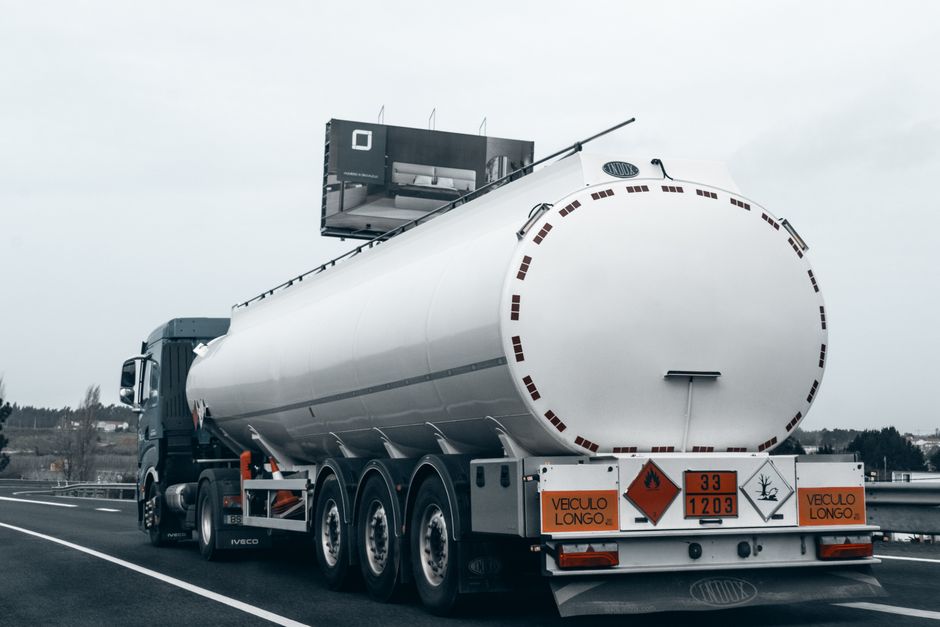
The blank issues field in this filing marks a departure from prior quarters, which detailed a dozen or more policy areas. The timing is also notable. In early April 2026, just before this filing, a coalition of ten senators urged the EPA to reverse a Biden-era cargo tank vapor tightness rule, citing warnings from industry that non-compliance could disrupt fuel supply chains.
By the Numbers
EMA operates a dual-track lobbying strategy. The first quarter 2026 in-house filing shows $130,000 spent, which is consistent with every quarterly filing since at least early 2024.
A companion first quarter 2026 filing through Squire Patton Boggs adds $30,000, bringing EMA's total Q1 2026 lobbying spend to $160,000.
Over the past year, EMA's in-house lobbying spending has remained constant:
- First Quarter 2025: $130,000
- Second Quarter 2025: $130,000
- Third Quarter 2025: $130,000
- Fourth Quarter 2025: $130,000
Squire Patton Boggs has filed parallel $30,000 disclosures each quarter, describing only "outreach and education regarding energy, fuel, and environmental issues." The in-house lobbying team has remained stable, as Sherri Stone and Rob Underwood appear on every EMA in-house filing reviewed. No new lobbyists were added this quarter, and no firms were dropped.
Underwood serves as EMA's president and previously worked as a staff assistant to Sen. Saxby Chambliss (R-GA) from April to July 2007. No congressional staff record was found for Stone.
The Agenda
The first quarter 2026 in-house filing lists no specific issues, which is a departure from prior quarters that contained detailed descriptions across more than a dozen policy areas. The Squire Patton Boggs filing similarly provides only a general statement of outreach activity.
Past quarterly disclosures have consistently covered:
- Renewable Fuel Standard reform for biomass-based diesel and e-RINs
- E15 labeling and summertime Reid Vapor Pressure waivers
- Leaking underground storage tank funding and trust fund financing rates
- CAFE standards and EV charging issues
- Tax provisionsfor biodiesel blenders tax credit, motor fuels excise taxes, LIFO accounting, estate tax, and bonus depreciation
- Transportation regulations for hours of service rules, CDL driver shortages, and hazardous materials fees
- Robinson-Patman Act enforcement for antitrust protections for small fuel marketers
- Credit and debit interchange swipe fees
- LIHEAP funding for low-income heating assistance
- National Oilheat Research Alliance reauthorization
- FDA tobacco and vaping regulations
No specific legislation was identified in any filings reviewed.
Broader Context: Congressional and Regulatory Activity
Congressional and regulatory activity surrounding fuel marketer concerns has been active in the months preceding this filing.
In early April 2026, a coalition of ten senators led by Sen. Kevin Cramer (R-N.D.) asked EPA Administrator Lee Zeldin to reverse a Biden-era rule requiring annual cargo tank vapor tightness testing under the Clean Air Act. The senators argued the rule, modeled on California standards, imposed "disproportionate harm to small business fuel marketers" and warned that early enforcement at some terminals could disrupt fuel supply if vehicles were denied access for noncompliance.
In April 2025, Rep. Randy Feenstra joined a bipartisan letter to President Trump requesting an extension of the Reid Vapor Pressure waiver for E15 fuel through September 2025, a recurring issue for fuel marketers distributing higher ethanol blends.
In December 2024, Reps. Mike Bost and Mike Collins issued a press release citing EMA's annual conference in Washington D.C., where more than 300 energy marketers urged lawmakers to direct the Federal Motor Carrier Safety Administration to establish consistent hours-of-service relief for emergencies. Underwood was quoted directly in that release.
On the regulatory front, the Treasury Department and IRS published proposed rules for the Section 45Z Clean Fuel Production Credit in February 2026, with a comment period closing April 6 within the first quarter 2026 period. That credit affects domestic producers of clean transportation fuel and excise tax registrants, areas overlapping with EMA's membership.
The Bottom Line
EMA is a longstanding lobbying presence in Washington with a stable team and consistent spending. The absence of specific issues in this quarter's in-house filing is unusual relative to prior quarters, though congressional activity surrounding fuel supply regulation and tax policy suggests continued engagement on core membership concerns. Whether the missing issue descriptions reflect a reporting choice or a strategic shift cannot be determined from the filing alone.